Section 8 Housing Choice Vouchers, in plain English
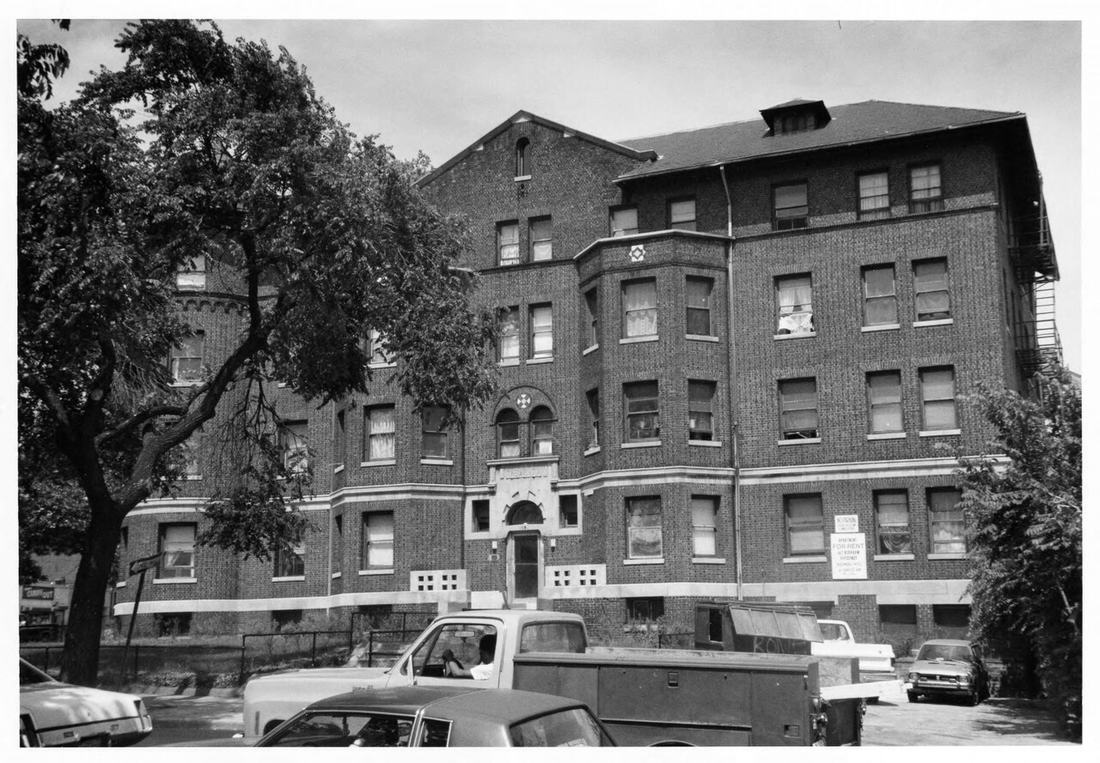


A Housing Choice Voucher, often called a Section 8 voucher, is rental help from the federal government that follows the household, not a particular building. If you qualify, your local Public Housing Authority (PHA) pays part of your rent directly to a private landlord, and you pay the rest. You choose the home, within the program rules, instead of being assigned to one specific development.
The program takes its nickname from Section 8 of the Housing Act of 1937, the law that created it. It is run nationally by the U.S. Department of Housing and Urban Development (HUD), but HUD does not take applications from the public. Applications go to a local PHA: a city, county, or state housing agency. That one fact explains most of the confusion around the program, because waiting lists, payment amounts, and local preferences all differ from one PHA to another.
The short version
- You generally pay about 30% of your monthly adjusted income toward rent and utilities. The voucher covers the rest, up to a local limit called the payment standard.
- Most new voucher households must be at or below 50% of the area median income for their area, and by law at least 75% of new admissions must be at or below 30%.
- There is no national application and no national waiting list. You apply to a PHA, and many waiting lists are long or closed.
- A voucher is portable: in most cases you can move to another area and keep your assistance, following the rules in our portability guide.
- Applying is free. Nobody can sell you a voucher, move you up a list for a fee, or guarantee you a home.
How the money flows
Think of it in three parts. First, your PHA works out your share, called the Total Tenant Payment. Second, your PHA sets a payment standard for your area and bedroom size, which caps how much subsidy a unit can receive. Third, the PHA pays the difference between the approved rent and your share directly to the landlord each month, under a Housing Assistance Payments contract. You pay your share to the landlord yourself.
If the rent plus utilities for a unit is at or below the payment standard, your share is normally your Total Tenant Payment and nothing more. If the rent is higher than the payment standard, you pay the extra yourself, on top of your share. At the start of a new lease, federal rules cap your total share at 40% of your monthly adjusted income, so a PHA cannot approve a first lease that would push you above that line.
Who this site is for
This site is for renters trying to understand whether a voucher could help them, for voucher holders working out a move or a rent change, and for landlords wondering how the program works from their side. Each guide covers one part of the program in detail: eligibility, the rent calculation, applying, waiting lists, finding a home, moving, landlords, what vouchers do not cover, and common myths.
One warning before you start
Almost every number in this program is local. Income limits depend on your county or metro area and your household size. Payment standards depend on local rents. Waiting-list rules depend on your PHA. That is why this site explains the mechanism and uses clearly labelled worked examples with invented round numbers, rather than printing one set of dollar figures as if it applied everywhere. Wherever you see an example, check your own PHA's published figures for the real number.
What is on this site
- How vouchers work — the tenant-based voucher, step by step.
- Who can qualify — income, household, citizenship, and screening rules.
- Income limits and rent math — area median income, the 30% rule, and worked examples.
- How to apply — finding your PHA and applying safely.
- Waiting lists and preferences — lotteries, local preferences, and staying on a list.
- Finding a home and lease-up — search time, inspections, and signing.
- Moving and portability — moving within an area and to a new PHA.
- For landlords — payments, inspections, and rent rules.
- What vouchers do not cover — deposits, mortgages, and other limits.
- FAQ and myths — the questions people ask most, answered straight.