For landlords

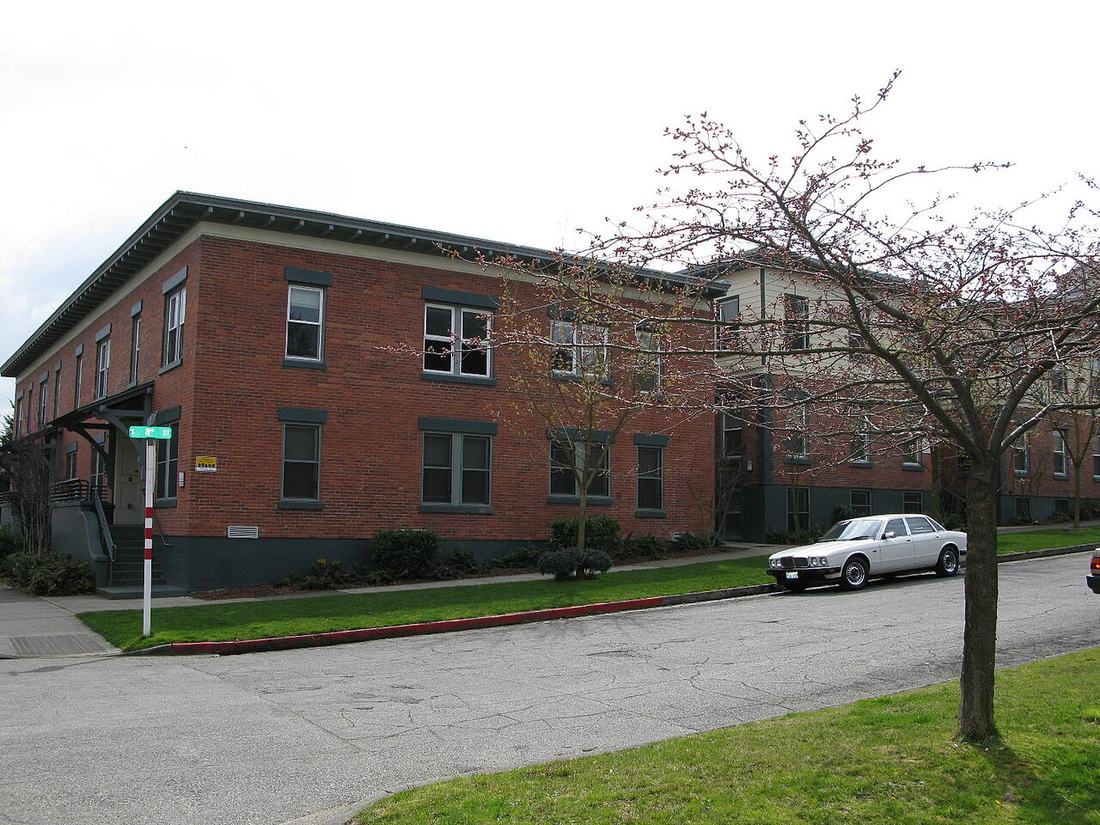
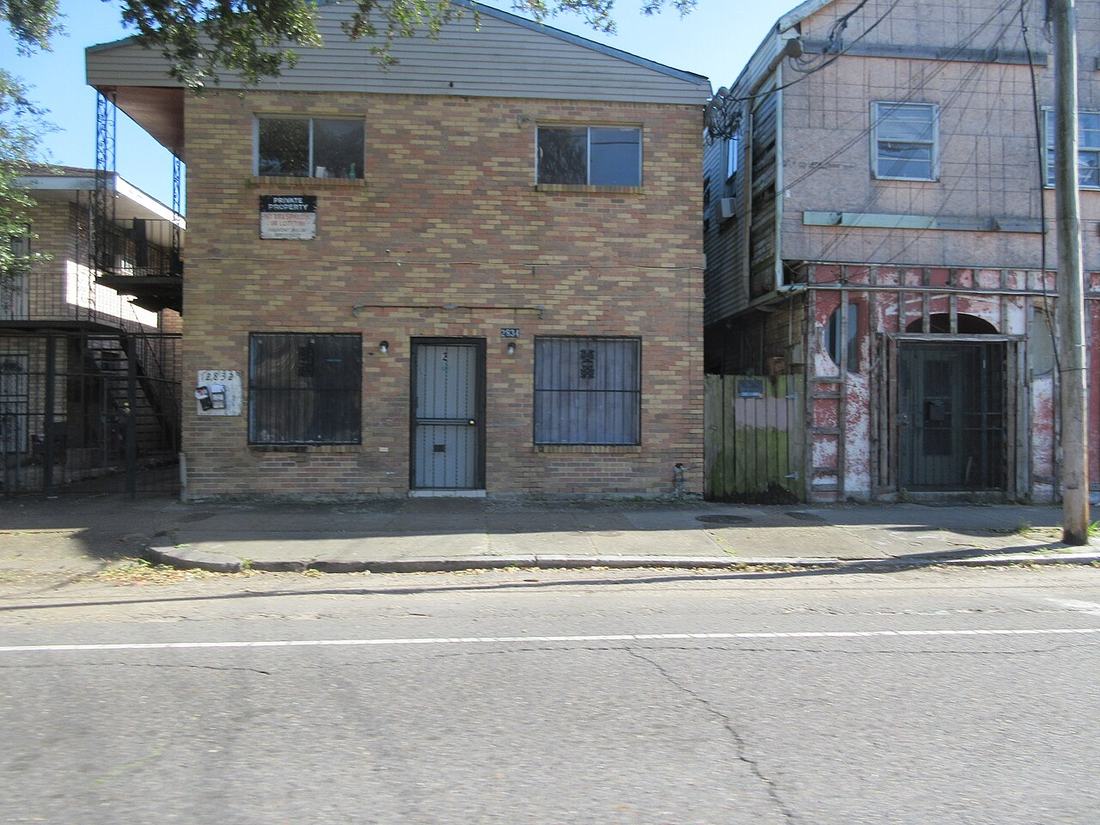
For a landlord, a Housing Choice Voucher tenant is a tenant whose rent is split: part paid by the household, part paid directly by the local Public Housing Authority each month under a Housing Assistance Payments (HAP) contract. The program does not change the fundamentals of landlording, but it adds an inspection, a rent check, and a contract with the PHA alongside the lease.
How you get paid
Once a tenancy is approved, the PHA pays its share, the HAP, directly to you each month, and the tenant pays their share to you under the lease. The HAP is the approved gross rent minus the tenant's share, capped by the payment standard for the tenant's voucher size. The PHA's share is reliable while the tenancy and the assistance remain in good standing, but it is not a guarantee against the tenant's own share: if the tenant does not pay their portion, that is a lease matter between you and the tenant, handled under the lease and local eviction law, and you must notify the PHA as the program requires.
You cannot charge more than the PHA-approved rent, and you cannot collect extra payments on the side from the tenant beyond the approved rent and any charges the lease and program rules allow. Rent increases require PHA approval before they take effect, and the PHA will check the new rent for reasonableness against comparable unassisted homes. Give the notice your PHA requires, normally well in advance, and do not implement an increase the PHA has not approved.
Inspections and maintenance
The home must pass a health and safety inspection before assistance starts, and it is reinspected periodically during the tenancy. The long-standing Housing Quality Standards are being replaced by HUD's NSPIRE standards, and your PHA will tell you which applies. The inspection covers the basics: safe structure, working plumbing and electrical systems, smoke and carbon monoxide alarms where required, sound windows and doors, and freedom from serious hazards. If the home fails, you are given a chance to repair and be reinspected. Homes that are maintained to a good standard normally pass without difficulty, and many landlords find the inspection a useful prompt for catching problems early.
Screening and the lease
The PHA screens the household for program eligibility, including income and status. You may still apply your own lawful tenant screening criteria, such as rental history, references, and credit checks, subject to fair housing law and any state or local source-of-income protections. Some states and localities prohibit refusing a tenant solely because they use a voucher; others do not, and the law in your area decides the point, so check it before you advertise or decline an applicant.
The lease is your lease, but it must include the program's tenancy addendum, which sets out program requirements, including the grounds for ending the tenancy and the PHA's role. The initial lease term is normally at least one year. After that term, the lease may continue month to month or renew, under its own terms and local law. To end a tenancy, you must follow the lease, the addendum, and local eviction procedures, and you must give the PHA the notices the program requires.
Common landlord questions
Can I choose whether to accept vouchers? That depends on the law where your property sits. Federal program rules do not compel a landlord to accept a voucher, but state and local source-of-income laws in many places do prohibit refusal based on voucher use. Check your jurisdiction's law and your PHA's landlord liaison for the current position.
What if the tenant damages the property? The security deposit and the lease govern damage, as with any tenancy. The voucher does not pay for tenant-caused damage beyond the deposit, and damage claims follow the lease and local law. Document the move-in condition carefully, with photos and a signed report.
Who do I call with a problem? Your PHA's landlord liaison or HCV department is the first call for payment, inspection, and contract questions. For tenant conduct or nonpayment, follow the lease and local procedures, and notify the PHA as required, so the record is complete on both sides.
Is it worth it? Landlords who stay in the program commonly cite the reliable monthly HAP, the inspection discipline, and a large pool of prospective tenants. Landlords who leave commonly cite inspection scheduling, paperwork, and rent-approval limits. Both views are honest, and the balance depends on your property, your market, and your PHA's administration. Talking to landlords already in your local program, and to your PHA's liaison, will tell you more than any general article can.